Onion Dehumidifiers

The relative humidity value in the onion storage room should always be on average between 65 and 75% , even if these values can vary significantly depending on the quality of the onion stored, the variety and also the production area.
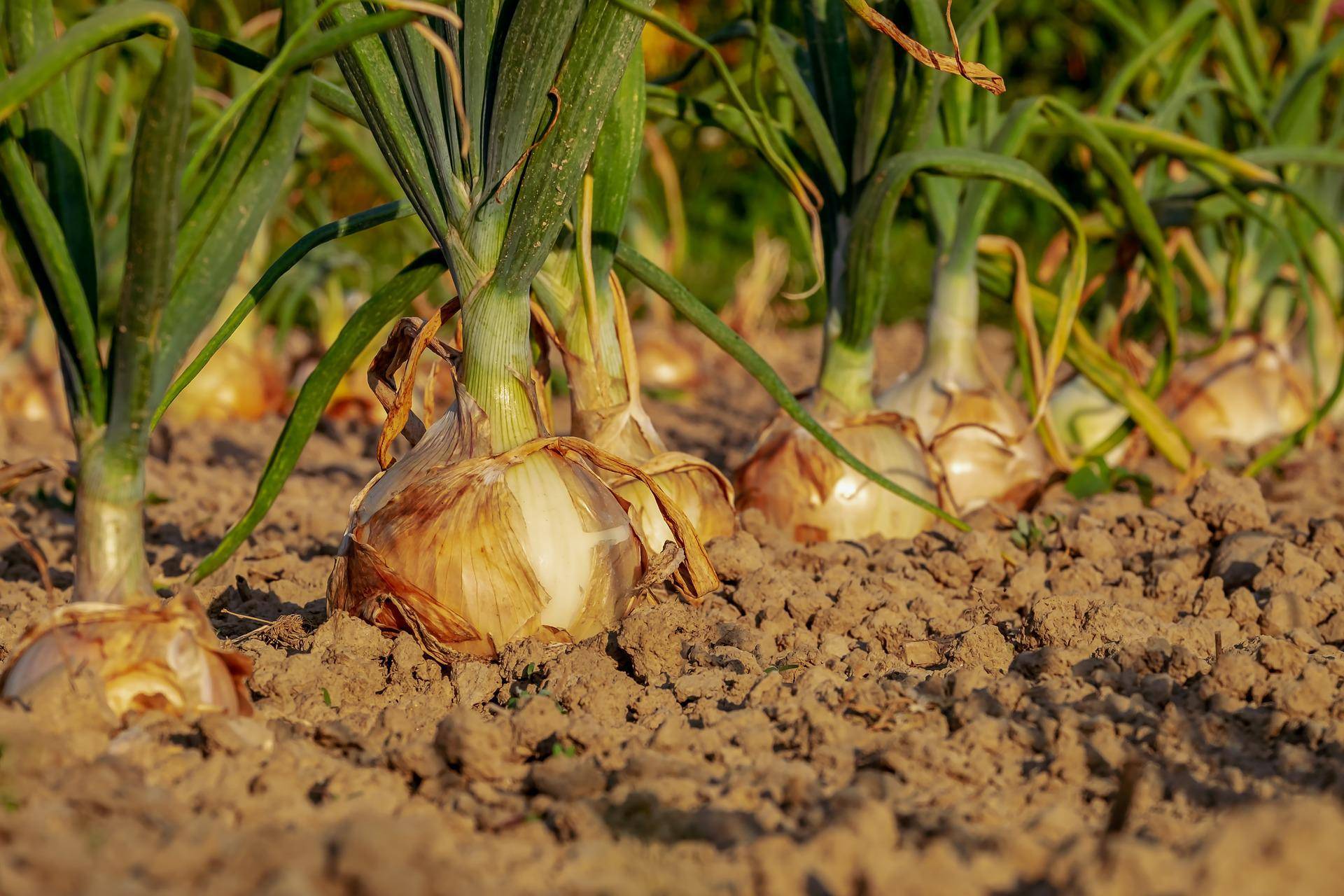
Industrial onion harvesting is generally done by machine and is best done in dry weather to promote healing of any wounds. Once harvested, if they are intended for storage, it's best to leave them in the field or in humidity-controlled storage rooms for 7-10 days to allow the green parts of the plant and the roots to dry. If the bulbs are stored immediately after harvest and therefore must be cured in a warehouse rather than in the field, temperatures of 35°C are recommended for about 5-14 days.
COLLECTION
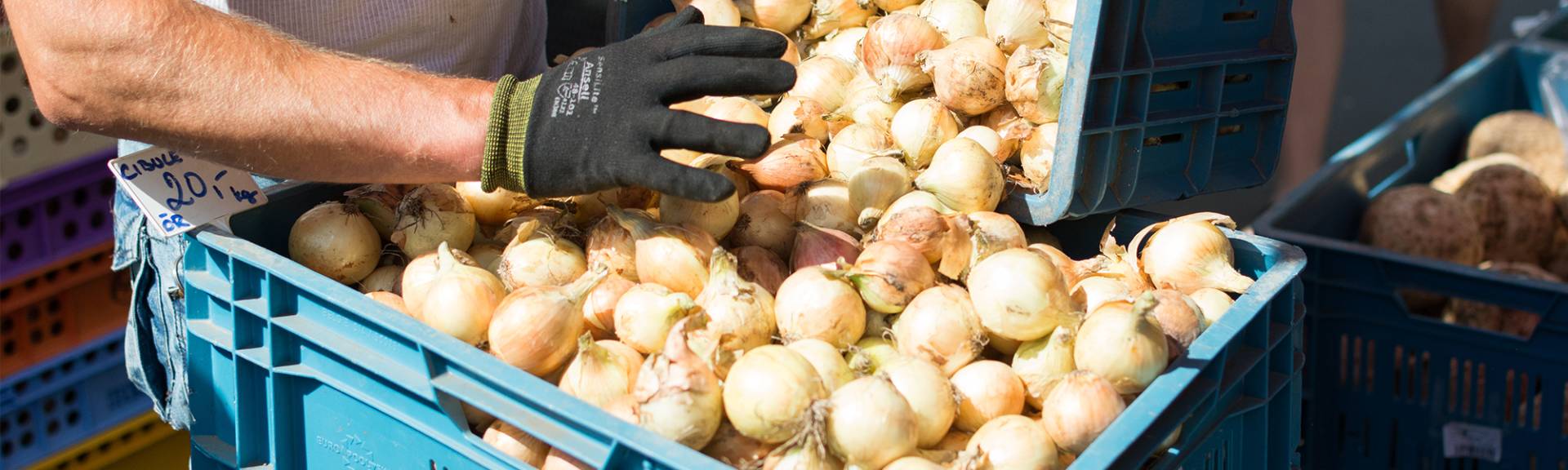
Once harvested, onions can be stored. The optimal storage conditions are 0°C and 60-70% relative humidity for both fresh onions (which can be stored for 1-2 months ) and those for storage (which can be stored for 6 or more months ). An essential condition for good onion preservation is that the outer skins are perfectly dry and that the storage area does not have excessive relative humidity.
In this case, it is necessary to use an industrial dehumidifier but only in the low temperature version specifically designed for use in onion storage cells.


Relative humidity is a parameter generally overlooked in the storage and preservation of garlic and onions, but it is considered one of the key factors for proper preservation. The relative humidity in the storage room should be between 65% and 75% ; these values can vary depending on the quality of the garlic/onion stored, the variety, and the production area.
Using our dehumidifiers during onion storage limits or prevents the formation of mold on the onion's surface, which can lead to product rotting and subsequent waste, leaving the product unsellable. Using our low-temperature dehumidifiers for onion storage can also prevent significant and unwanted waste, optimizing the storage process with significant end-results that improve the quality of the onion itself.
The use of dehumidifiers has endless applications.
Their use is particularly appreciated for example in warehouses or in cold rooms used for the storage and conservation of food products such as ONIONS for example for the ripening and seasoning of GRAPES.
Among the most frequent applications of our machines we can mention their use in the storage and maturing cells for cured meats and cheeses, in dairies, in the cells for the storage of vegetal food material even for long periods such as for example the storage of onions or the storage of garlic.
Based on the experience gained over time, it has been found that the humidity parameter, generally little considered, in the sector of onion storage and conservation must be kept under strict control.
INSTALLATION
Our industrial dehumidifiers for low-temperature onion storage can be ducted, or alternatively fixed or wheeled, and are suitable for ONION STORAGE ROOMS or wherever large quantities of air need to be handled . Their structure and panels are made of painted galvanized steel sheet. Copper tubing coils and aluminum finned packs. High-performance hermetic compressor. High-pressure centrifugal fan. They are equipped with a thermostatic valve, minimum and maximum pressure switches, and a dehydrating filter. A dedicated electronic board, connected to the antifreeze probe, controls the dehumidifiers' defrosting and the main operating parameters.
Endowed of defrosting ag/c to dehumidify up to + 0,5 °C
Also available in version up to – 1°C LOW TEMPERATURE for preserving garlic and onions.
New: new electronics with self-diagnosis and remote alarm
The main applications of the DRY and KT series dehumidifiers
The DRY and KT series dehumidifiers are direct expansion refrigeration cycle appliances, whose operation is based on the physical principle whereby air, when it comes into contact with a cold surface , wets it, releasing humidity in the form of condensation drops.
In practice, a refrigeration machine keeps a coil cold through which the air is passed, which cools and dehumidifies. Subsequently, passing through a hot heat exchanger, the air is heated to return to the environment dehumidified and at a temperature slightly higher than the initial one.
Any excess humidity in the onion storage cells could lead to phenomena of abnormal proliferation of mold and bacteria leading in the most serious cases to the rotting of the product, in the same way a lack of relative humidity in the storage of the onion could lead to a greater weight loss than the normal physiological weight loss with consequent economic losses that could also be considerable.
VERTICALLY DEVELOPED


HORIZONTALLY DEVELOPED


Suitable for locals

Cured meats seasoning

dairies

gyms and sports centers

warehouses

Honey storage
Find out how our onion dehumidifiers work HERE
Maybe your're interested in…